Designer × AI Engineer
The tools evolve and work changes. The judgement stays yours.
Nine situations. All familiar. Click through to find yours.
My AI answers questions.
It doesn't get things done.
The gap between a language model and an agent that reliably completes tasks is an architectural gap, not a model gap. Response is easy. Action requires structure.
click for technical depth ↓An agent that acts is an agent that can fail. That's what makes architecture matter.
It works perfectly in the demo.
Real conditions break it.
Demos are controlled environments. Production is not. The edge cases that matter most are the ones nobody thought to test. Reliability requires systematic failure mapping, not optimism.
click for technical depth ↓The distance between demo and production is a testing problem, not a luck problem.
Every run gives a different result.
I can't rely on it.
Non-determinism is the default. Reliability has to be engineered. The variables that produce the good runs need to be identified, isolated, and stabilised — not celebrated.
click for technical depth ↓Reproducibility isn't about making AI boring. It's about making it useful.
Something is running in production.
I don't know how it works anymore.
As systems grow, opacity grows with them. What can't be observed can't be improved. What can't be traced can't be fixed. Observability isn't optional when agents are taking actions.
click for technical depth ↓An agent you can't explain is a liability you can't quantify.
My agent works perfectly.
It doesn't work with our actual systems.
AI agents don't live in isolation. They need to read data, write results, trigger actions, and respect permissions — across systems that were never designed for them. Integration is the real work.
click for technical depth ↓The agent is only as useful as the ecosystem it can access reliably.
Running AI costs more
than the value it creates.
Unstructured AI usage scales cost faster than value. The same outcome, achieved through a well-designed system, can cost a fraction of an improvised one. Architecture determines economics.
click for technical depth ↓Every well-placed boundary in a system is a cost saved at scale.
I have multiple AI tasks
that should work together. They don't.
Individual AI components can each work well while the system they compose fails. Orchestration — who calls what, in what order, with what context — is its own engineering discipline.
click for technical depth ↓The system is not the sum of its parts. It's the quality of the connections.
The AI consultant built it.
Now it's our problem.
External builds create internal dependency. Systems that can't be maintained by the team that owns them become liabilities. Documentation, transfer protocols, and internal capability are part of the deliverable.
click for technical depth ↓A system you can't maintain is a system you don't own.
Everyone is using AI.
I don't know if we're using it right.
AI adoption without a clear use-case hierarchy produces cost and noise. The right question isn't which tool to use — it's which problem is worth solving first, and what success looks like when you've solved it.
click for technical depth ↓Strategy is deciding what not to build as much as deciding what to build.
Process
Four stages. Each one deliberate. Nothing is left to coincidence.

Before architecture, there is a question. What task are we automating, what decision is being delegated, where does the agent stop and the human stay. The shape of the system is decided here — not in code.

The agent gets a body — tools, memory, the rules it can act under. Boundaries are drawn explicitly. The first version is small on purpose, so every part of it can be observed and replaced.

Real prompts, real edge cases, real corrections. The agent is sharpened on actual work — not synthetic benchmarks. What it does well is documented; what it gets wrong becomes the next iteration.

An agent in production is a living system. It needs observation, correction, and care — not a launch and a handover. We stay with it until it earns its place in the workflow, and beyond.
Selected work
Gasometer Oberhausen · Mythos Wald · opened March 2026
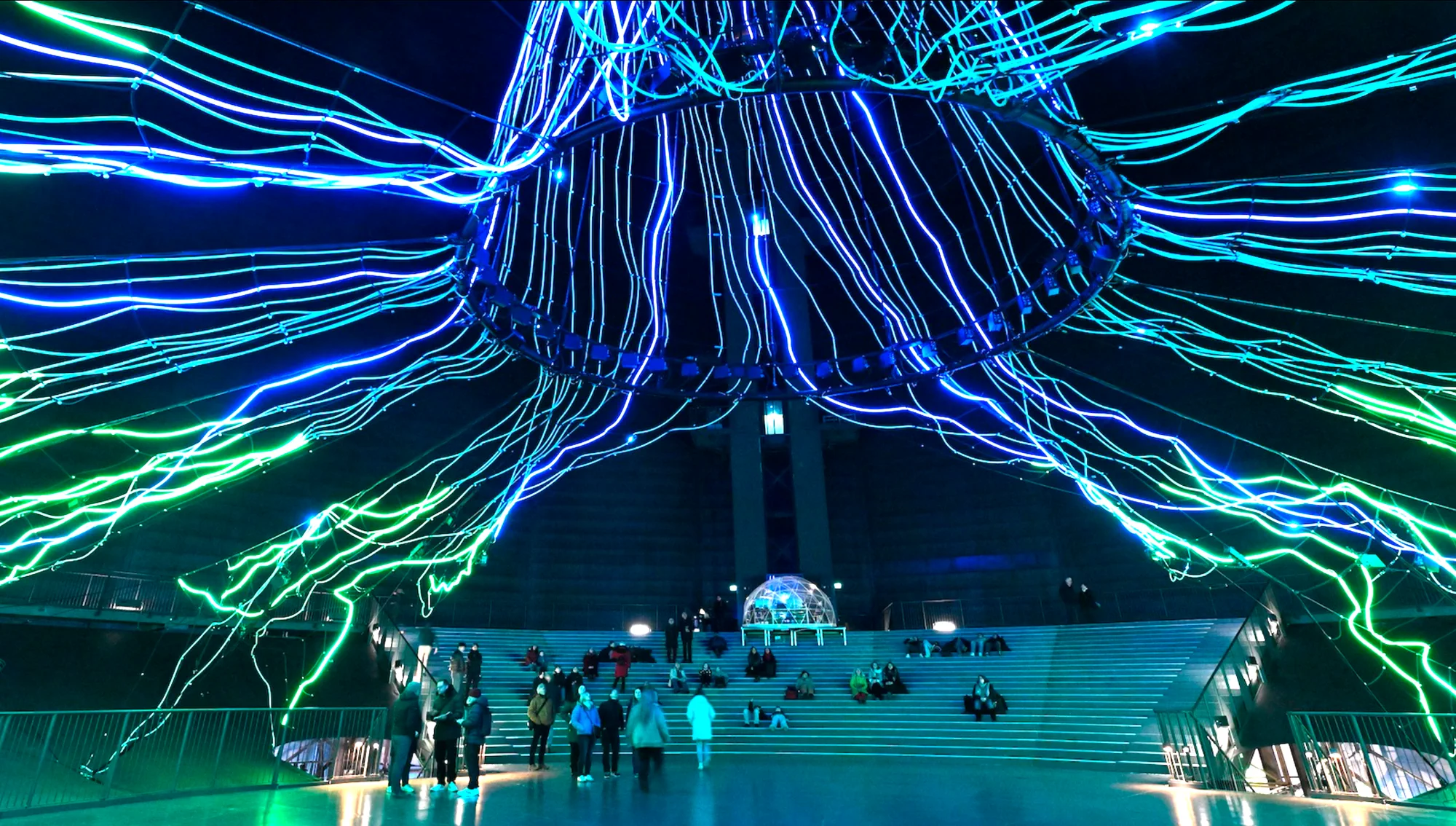 Render: WILHELM MEDIA
Data bridge between AES (concept), media engineering, cabling and rigging. Translated the tree structure — trunk, canopy, ten root arms — into 18 structured reference sheets and a spatial network mapping LED handovers across the structure. A custom suite of 30+ agent-built Cinema 4D Python tools handled marker generation, label translation, and consistency checks against partner data. Six months of weekly jour-fixe with AES, with on-site coordination in Oberhausen during the December rigging phase. One designer plus an agentic stack — output of a small crew.
Gasometer Oberhausen · Planet Ozean · opened March 2024
 © WILHELM MEDIA · Photo: Thomas Wolf, Dirk Böttger/Gasometer Oberhausen
Real-time pipeline design and implementation in Unreal Engine for a 1,200 m² dual-surface projection inside Europe's tallest exhibition hall. Translating the artistic vision into a performant real-time system — reactive creature swarms, deep underwater visual language, volumetric light and atmosphere. Pipeline stability and performance under exhibition conditions across a 7-projector, 60-megapixel output. The first major real-time installation where agentic assistance was load-bearing — pipeline scripting, shader iteration, performance tuning, asset wrangling.
Science media service · Joint venture with rnk.studio
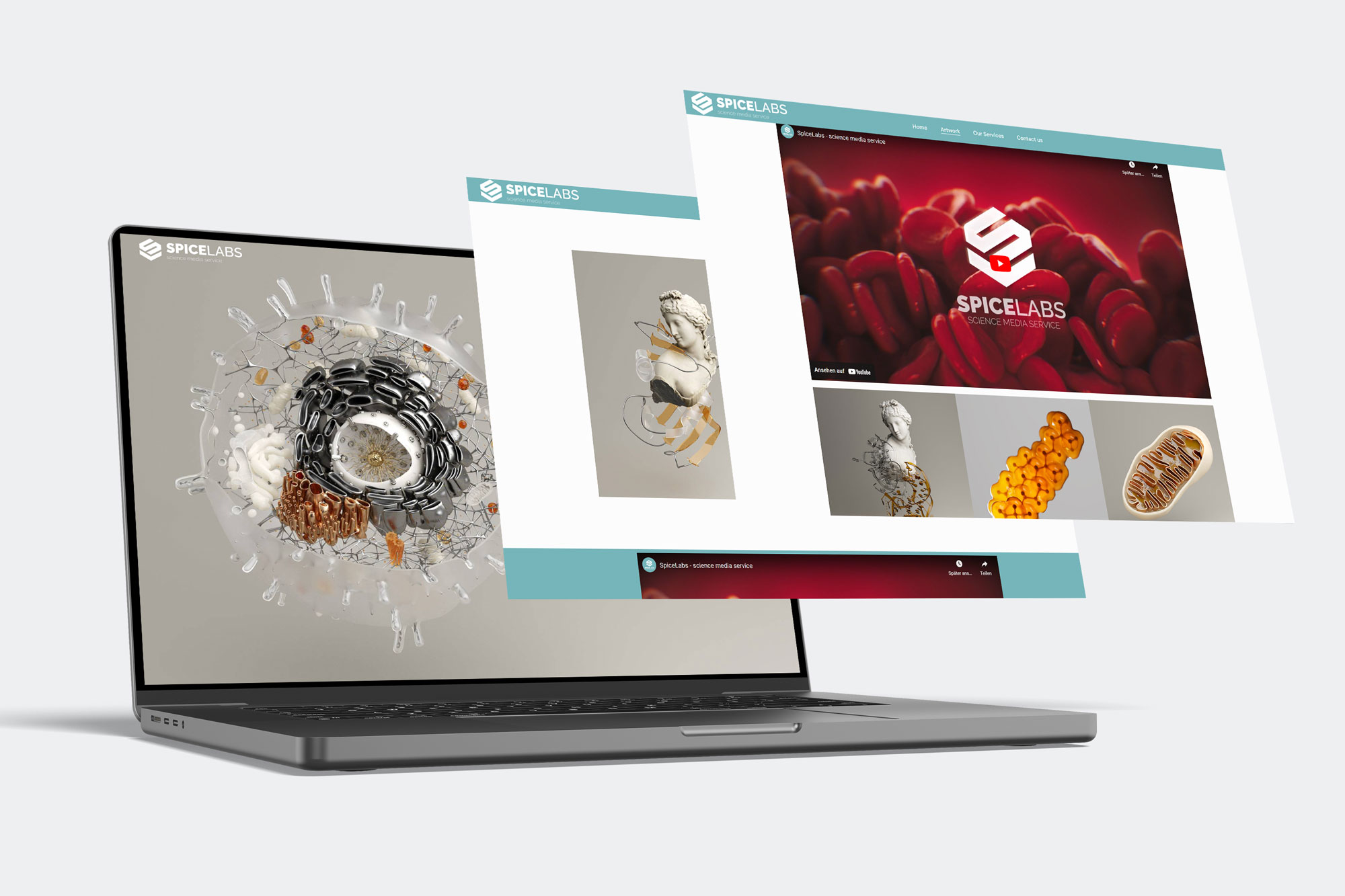 © SpiceLabs
Co-founded with rnk.studio — a joint venture combining 3D visualization expertise with AI production infrastructure for life science communication. Building generative pipelines for molecular animation, mechanism-of-action visualization, and interactive media. Covering the full stack from scientific brief to final output across expert, investor, and patient audiences.
Medical · Architecture · Product · Generative
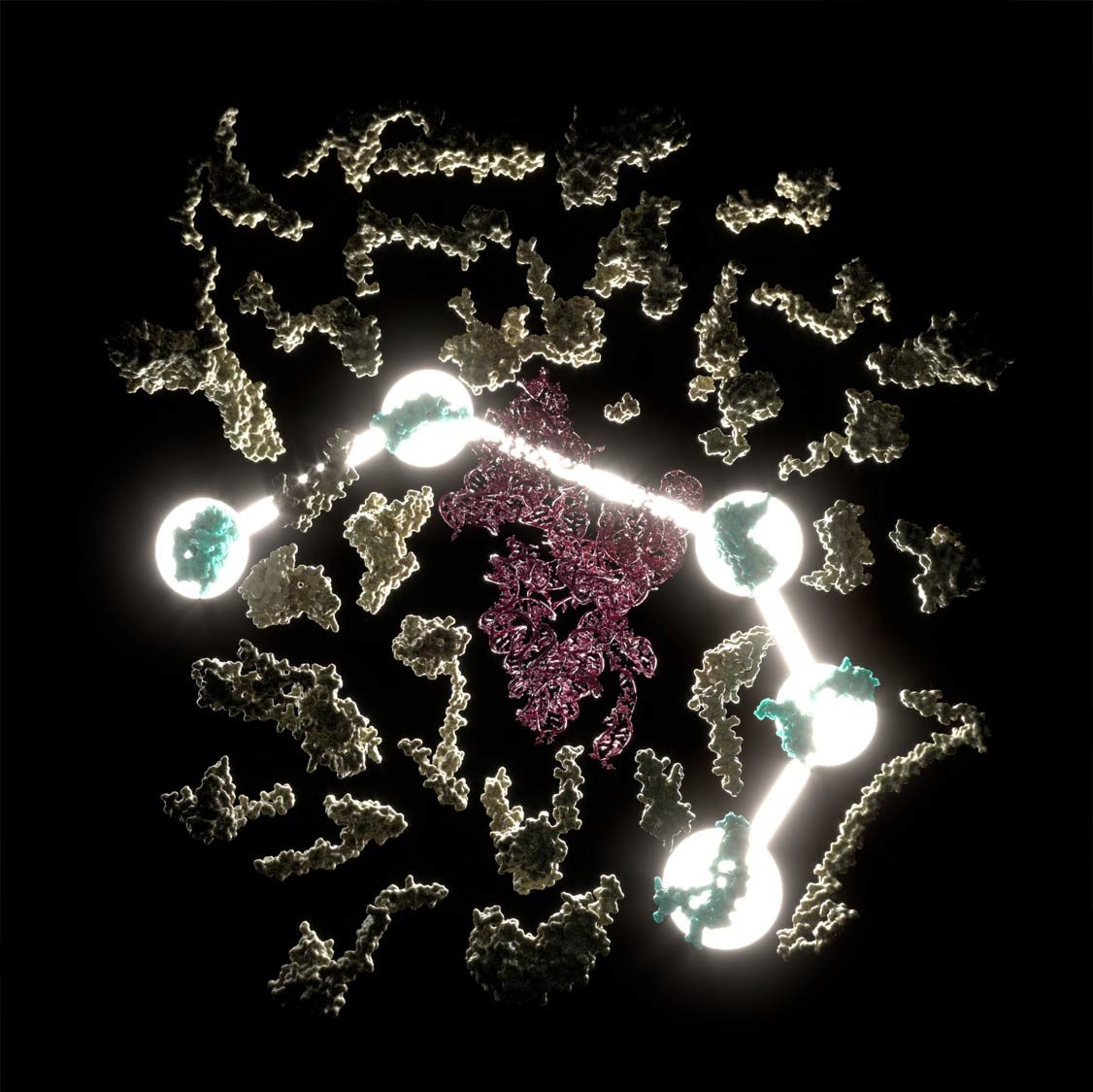

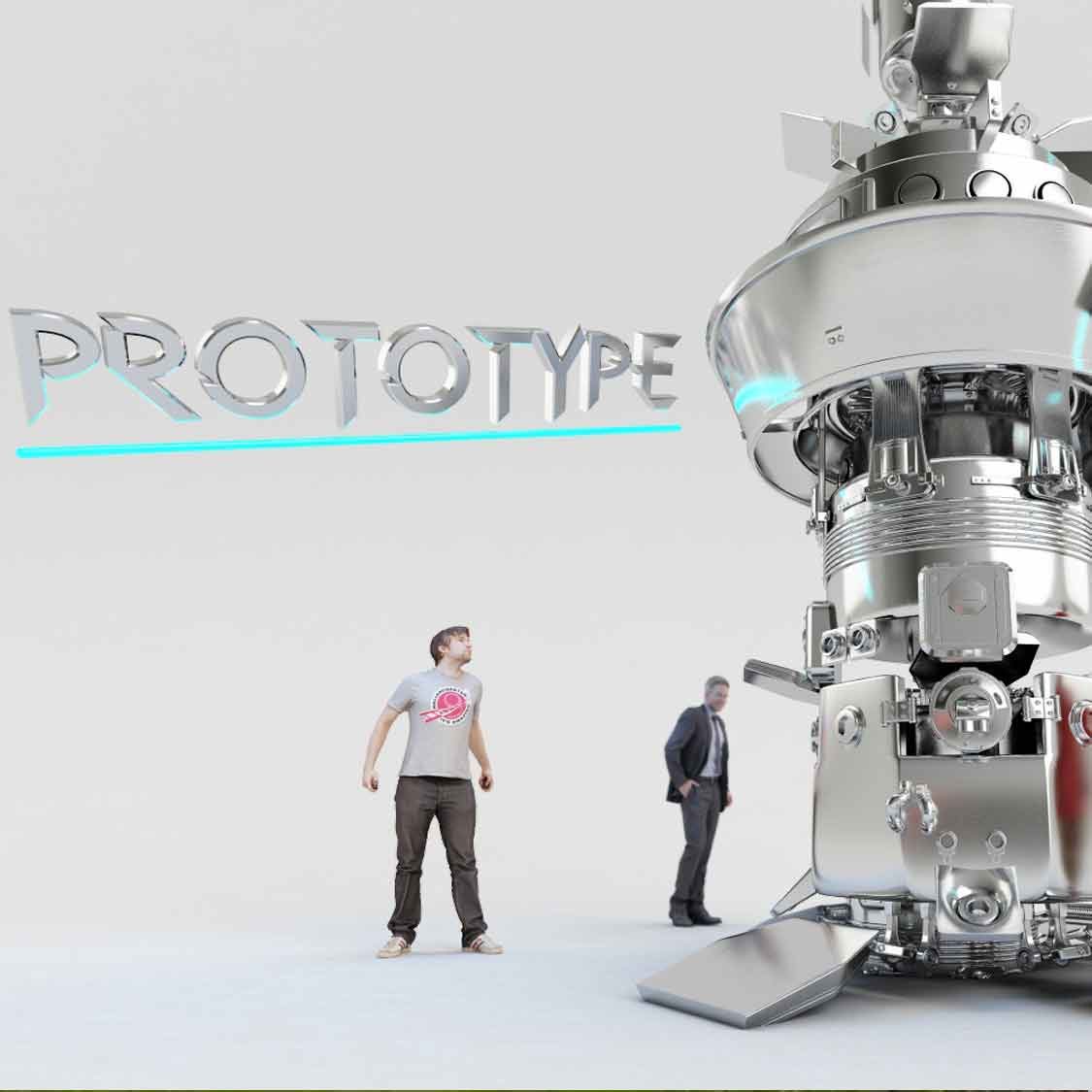

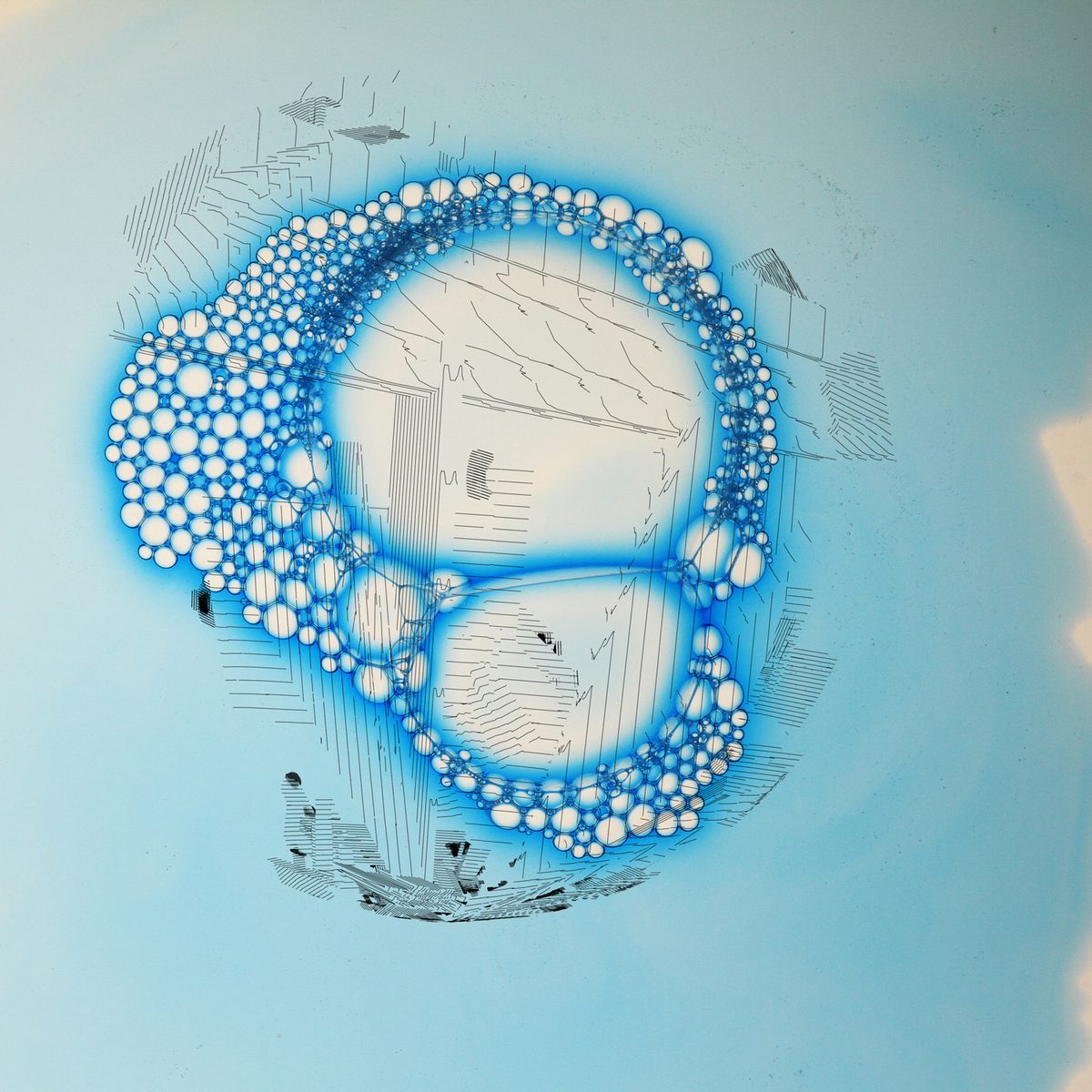
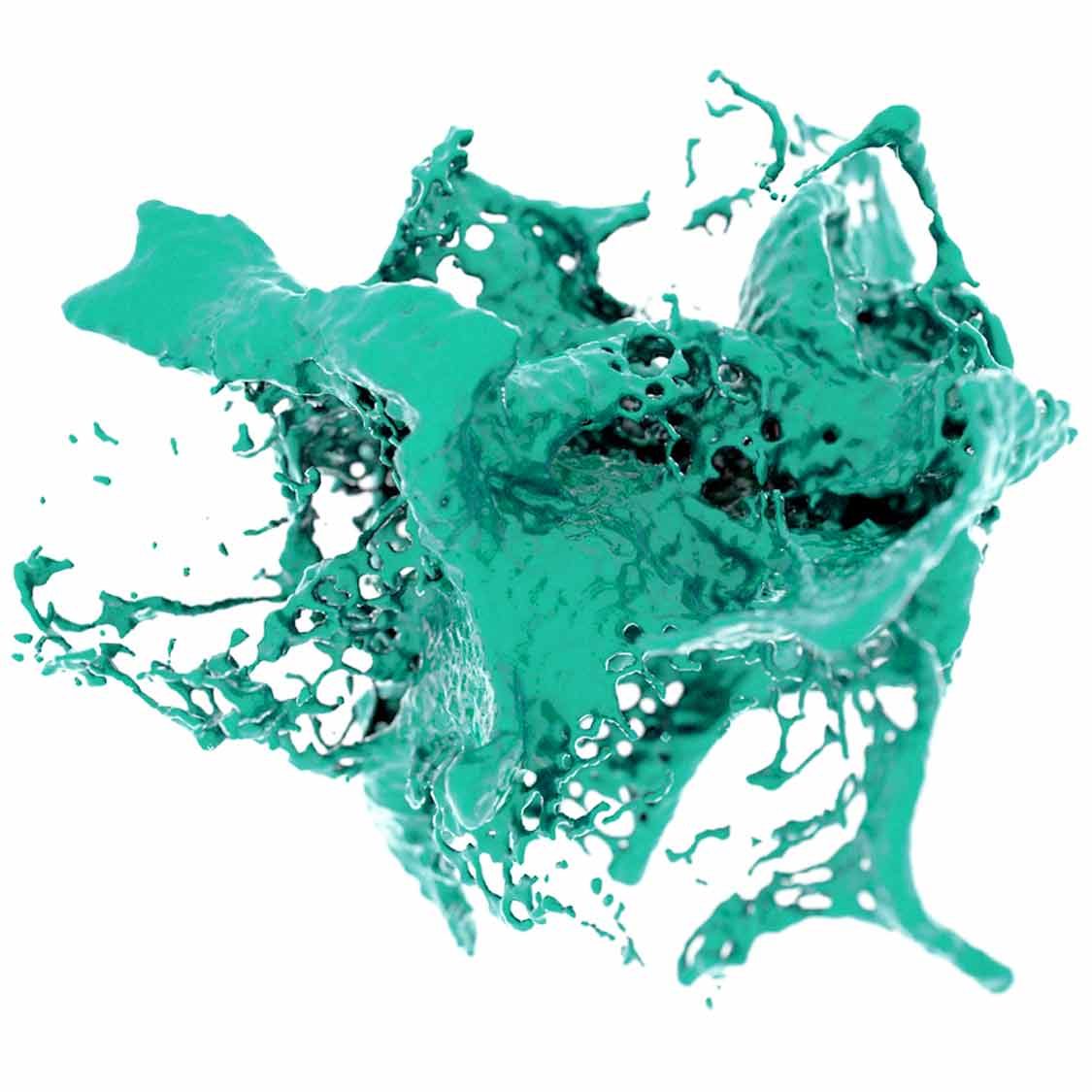
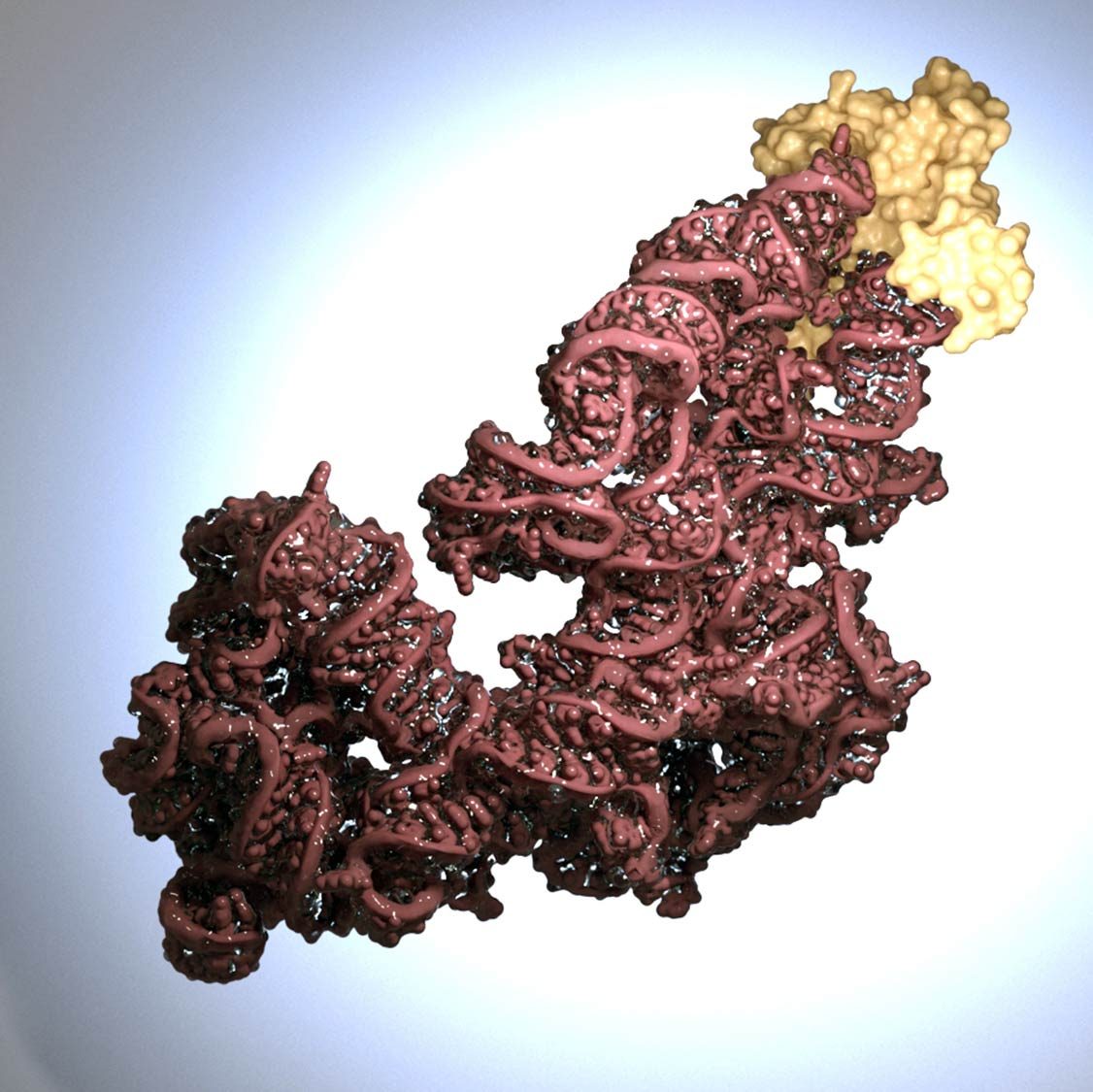

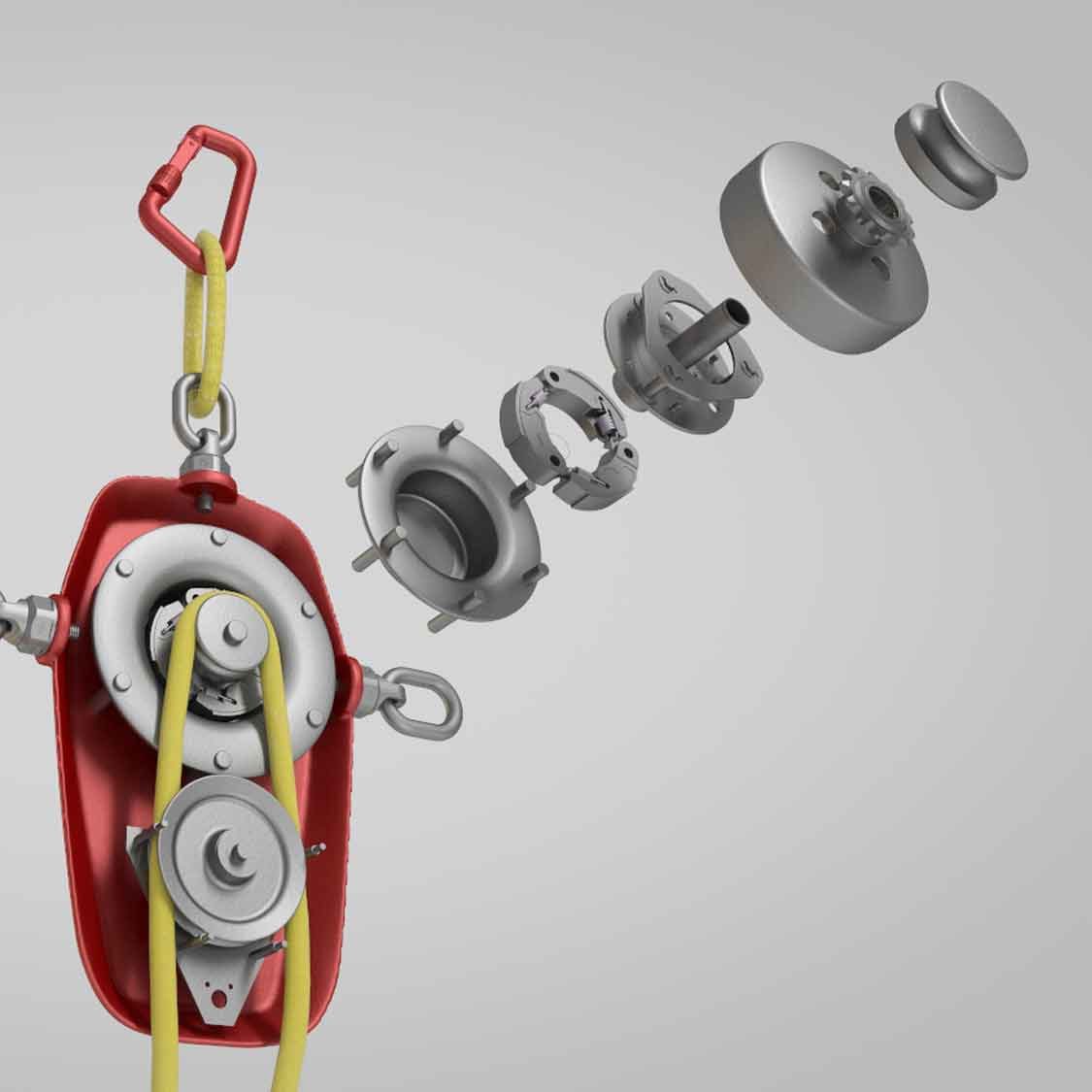
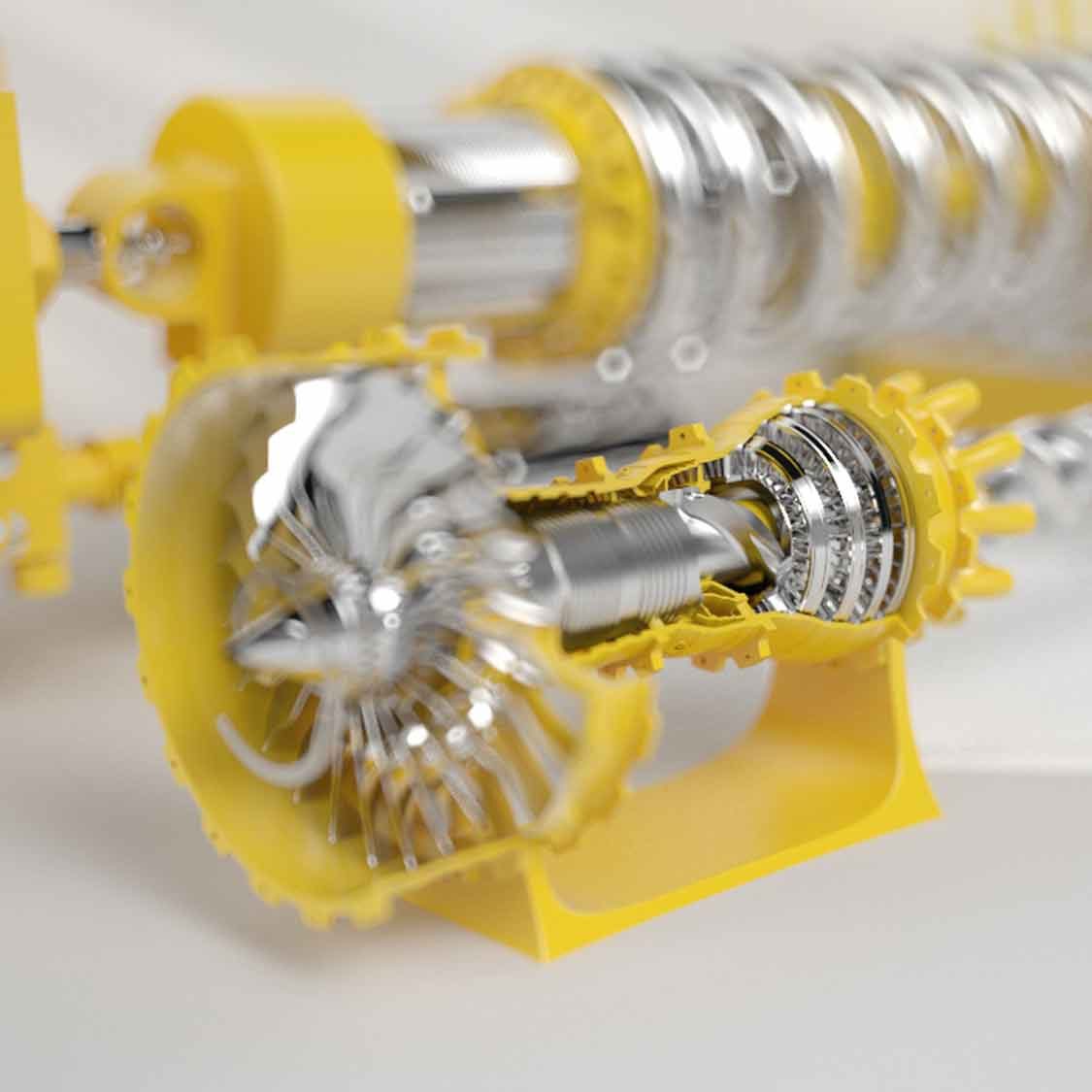
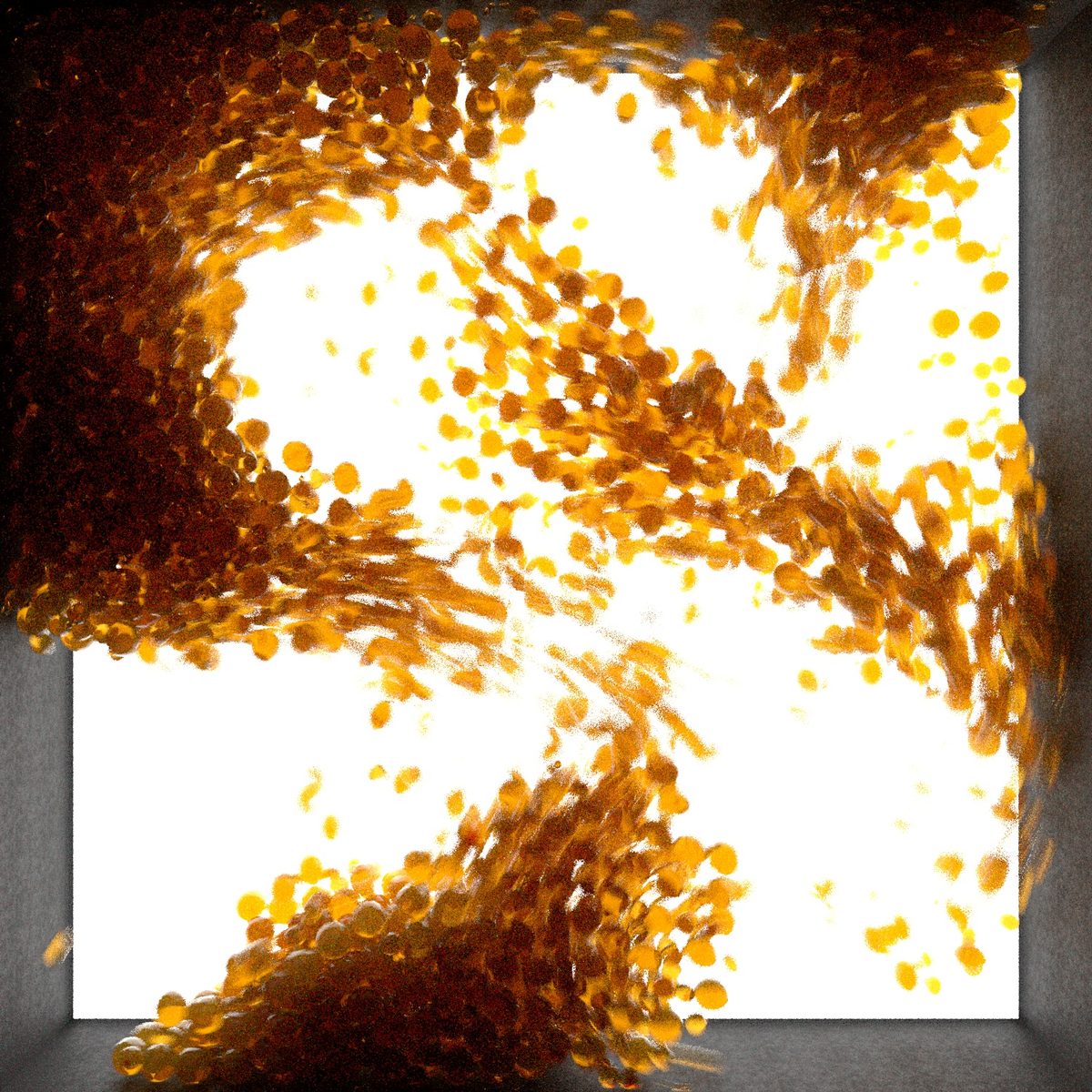
The foundational discipline underlying everything. Over two decades of 3D production spanning medical animation, architectural visualisation, product staging, technical illustration, and generative art. Work developed for clients in pharma, life science, construction, consumer goods, and cultural institutions — from photorealistic render to abstract simulation, always shaped by a clear visual logic.
Not everything can be planned.
Some things can only be navigated.
Trust and vision are the inputs.
The system is what we build together.
For businesses
Three hours, online. We map where automation saves you the most time — with a guide value for hours saved and cost per module. €490, fully credited toward a follow-up format.
What you bring is direction and ambition. What we build together is a system that makes it real — and reusable.
Connect via LinkedInVoice conversation. Ask anything about the approach, use cases, or how to start.
Type your question. The agent responds.
No form. No funnel. Just a conversation.
info@wilhelm-media.at
+43 650 4814644
Open WhatsApp on your phone and scan. Or:
Open in WhatsApp Web ↗